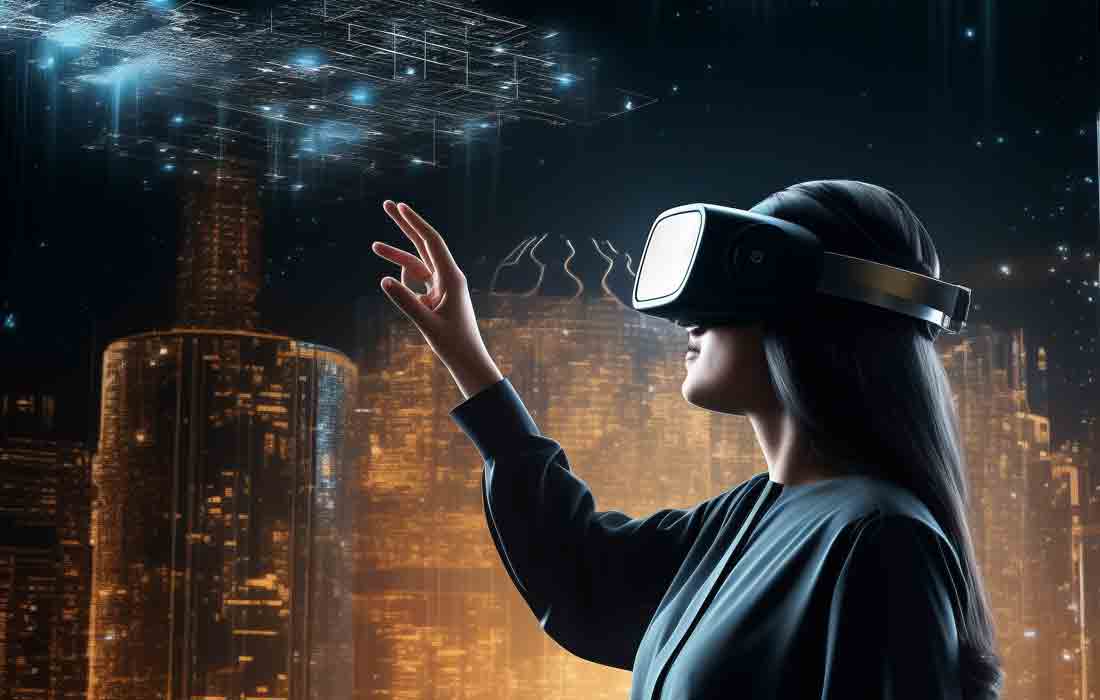

Metaverse. We keep hearing a lot of this word recently. What is the Metaverse and how is it going to affect our work?
The term “Metaverse” was coined by Neal Stephenson in his novel Snow Crash (1992), where he imagined a parallel environment to the internet where people could interact with each other using avatars. This is essentially what Facebook has been attempting with their Metaverse.
Metaverse is the Internet part of a shared virtual reality that is made as close as possible to the real world in the second stage of the Internet world. The current metaverse concept focuses on enabling people to do anything they can do in real life. Going to work, socializing with friends, shopping, concerts, performances, and even sightseeing are all possible in the metaverse.
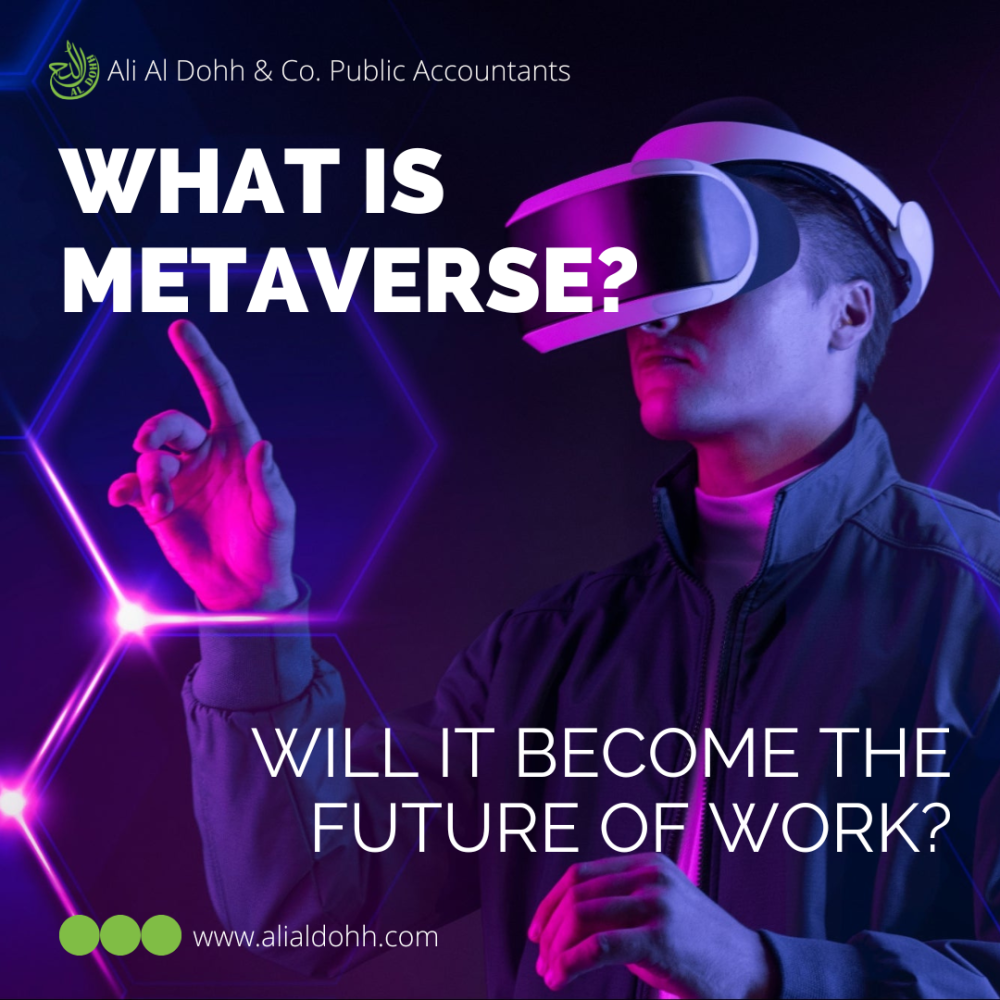
Businesses from a variety of industries, including real estate, technology, and cryptocurrency, have been purchasing digital land on metaverse platforms like Decentraland and The Sandbox. For example, PwC Hong Kong announced that it had purchased LAND in The Sandbox. This is the first time a CPA has officially opened a branch within the metaverse, bringing real world financial services to metaverse businesses and individuals. With remote working becoming more common in many businesses, the metaverse provides a unique opportunity to collaborate with colleagues from anywhere. CPAs do not have to communicate through phone or calls, rather they can meet in the metaverse.
Depending on how the metaverse unfolds, an innovative business model based in the metaverse could also become a unique way of interacting with clients. If it becomes more popular, some clients may choose to meet virtually. Despite the fact that the metaverse for business is still years away from widespread adoption, the journey to a virtual realm is an exciting prospect for forward-thinking accountants and auditors. The metaverse has the potential to generate novel ways for CPAs to work and collaborate online. Working in a hybrid environment could mean balancing time between the real and virtual worlds. However, significant challenges must be overcome by tech companies before the so-called “future of work” becomes a reality.

The world in which users can interact with each other in a virtual universe using immersive real-time 3D interaction is still a scenario that today’s technology is not capable to deal with. However, in the last few months, there have been numerous innovative advancements in the Metaverse yet there are very few regulations governing it. There are a lot of potential implications around privacy and other issues that are yet to be set up. More clarity around governance and regulations will be needed before there will be widespread adoption.It’s still very early days for the metaverse, Although the metaverse isn’t expected to be widespread until 2040, it will be part of the future, making this an exciting journey for all of us.